
Regrow Beautiful Trees with Adventitious Regrowth Following Stump Removal
Trees play a significant role in enhancing the beauty of our surroundings, purifying the air, and providing us with essential resources such as wood and fruits. However, there are times when establishing a new landscape or carrying out construction work requires removing trees from an area. While tree removal may be necessary in specific situations, it can leave behind an ugly stump. Not only do stumps adversely affect the aesthetics of your landscape, but they can also be a safety hazard. They take up space, can be a breeding ground for pathogens, and can even cause an obstruction while mowing the lawn. Stump removal is, therefore, an essential step that follows tree removal. Tree Removal Company will explain more.
However, many homeowners worry about the regrowth of trees after stump removal. This concern is valid because it can potentially undo the efforts of tree removal and even cause more problems. It is, therefore, essential to understand how tree regrowth after stump removal works.
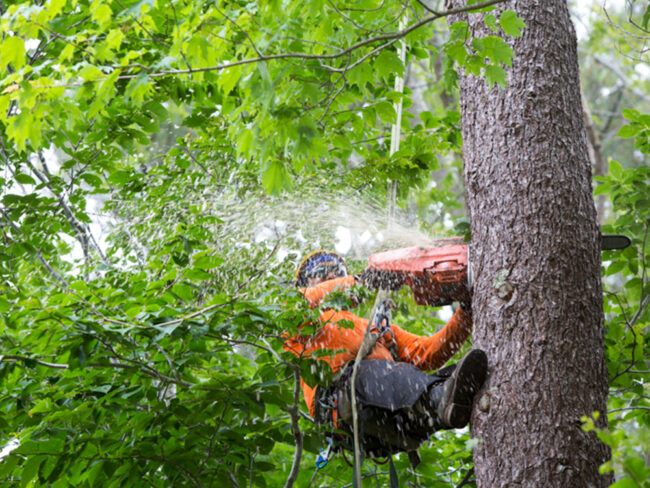
How Does Tree Regrowth After Stump Removal Work?
The regrowth of trees after stump removal can be categorized into two types, the first being epicormic regrowth. This type of regrowth occurs on the tree’s stem trunk or from the root system after the removal of the upper parts of the tree. It is usually the result of stress from the crown removal and is, therefore, an undesirable type of regrowth.
The second type of regrowth is adventitious regrowth, which usually happens after the removal of the root system. This type of regrowth happens when the tree’s meristem cells that are responsible for growth are still present in the tree’s tissues. Adventitious roots may grow from the stem or even from the remaining roots. This type of regrowth is desirable since it allows for the growth of new, healthy, and strong trees.
Several factors influence tree regrowth after stump removal. The first factor is the quality of the tree removed. Removal of healthy, young trees often results in the regrowth of new trees faster than old, diseased, or damaged trees. Additionally, the tree’s species also affects its regrowth after stump removal. Some trees may regrow faster than others since they have a more profound root system that can support new growth better.
Tree regrowth after stump removal can be a concern for many homeowners. Nevertheless, the type of regrowth depends on various factors such as the tree’s quality, species, and removal method. Proper removal of the stump with the help of a certified arborist will allow for the desirable kind of regrowth – adventitious regrowth, resulting in the growth of strong, new trees.