
The Hidden Dangers of Radio Interference: How Natural and Human-Made Radiation Can Disrupt Radio Communication
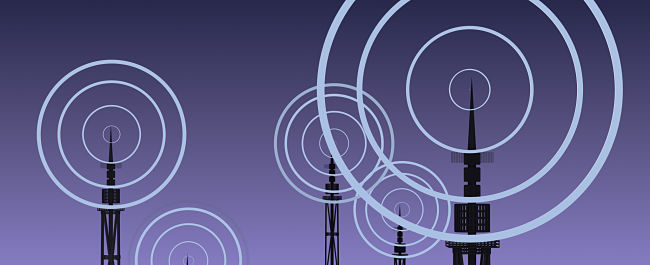
Radio interference is a phenomenon that occurs when electromagnetic waves disrupt or distort the signal of a radio transmission. This can happen for a variety of reasons, ranging from natural phenomena to man-made devices that produce electromagnetic radiation so let’s find out more about radio interference.
One of the most common sources of radio interference is electrical storms. Lightning strikes produce powerful bursts of electromagnetic radiation, which can interfere with radio signals and even damage equipment. As a result, many radio operators will shut down their equipment during thunderstorms or other severe weather events to avoid these problems.
Another source of radio interference is human-made devices, such as cell phones, Wi-Fi routers, and microwaves. These devices all emit electromagnetic radiation, which can interfere with radio signals if they are in close proximity. This is why many airplanes and hospitals prohibit the use of cell phones and other devices that emit electromagnetic radiation.
There are also other sources of radio interference that are less well-known, such as solar flares and cosmic rays. These natural phenomena produce bursts of radiation that can disrupt radio signals and cause problems for radio operators. However, these types of interference are generally less common than the more well-known sources of interference.
Despite the challenges posed by radio interference, there are a variety of techniques that can be used to minimize its impact. Some radio operators use shielding materials, such as copper mesh or aluminum foil, to block out electromagnetic radiation. Others use specialized software that can filter out unwanted radio signals and reduce interference.
However, it’s important to note that these techniques are not foolproof. In some cases, interference can be so severe that it cannot be eliminated entirely. In these situations, radio operators may need to use alternative frequencies or communication methods to ensure that their messages are transmitted as intended.
In conclusion, radio interference is a complex and ever-present challenge for radio operators. However, by understanding the sources of interference and using the appropriate techniques to minimize its impact, it is possible to maintain clear and reliable radio communication in a variety of settings.